01 / Route

Route planning that starts before the car does

Every intercity transfer begins with a written route brief: the planned corridor, planned rest stops, and the meeting point at each end. Door-to-door transportation means collection at a real address, not a bus station bench.

We only plan corridors a single driver can complete with a proper rest window. If a route will not fit safely into one shift, we say so and propose a split journey or an overnight pause instead of promising a run we cannot keep.

  • Covered Kyiv, Lviv, Odesa, Dnipro, Kharkiv and Vinnytsia, including airport pickups between them
  • Planned Cross-border corridors to Poland, Slovakia, Hungary, Romania and Moldova, quoted per checkpoint
  • Not offered Cross-country tours beyond three driving days, off-road access, or routes without a paved final approach
Request a route plan See example corridors

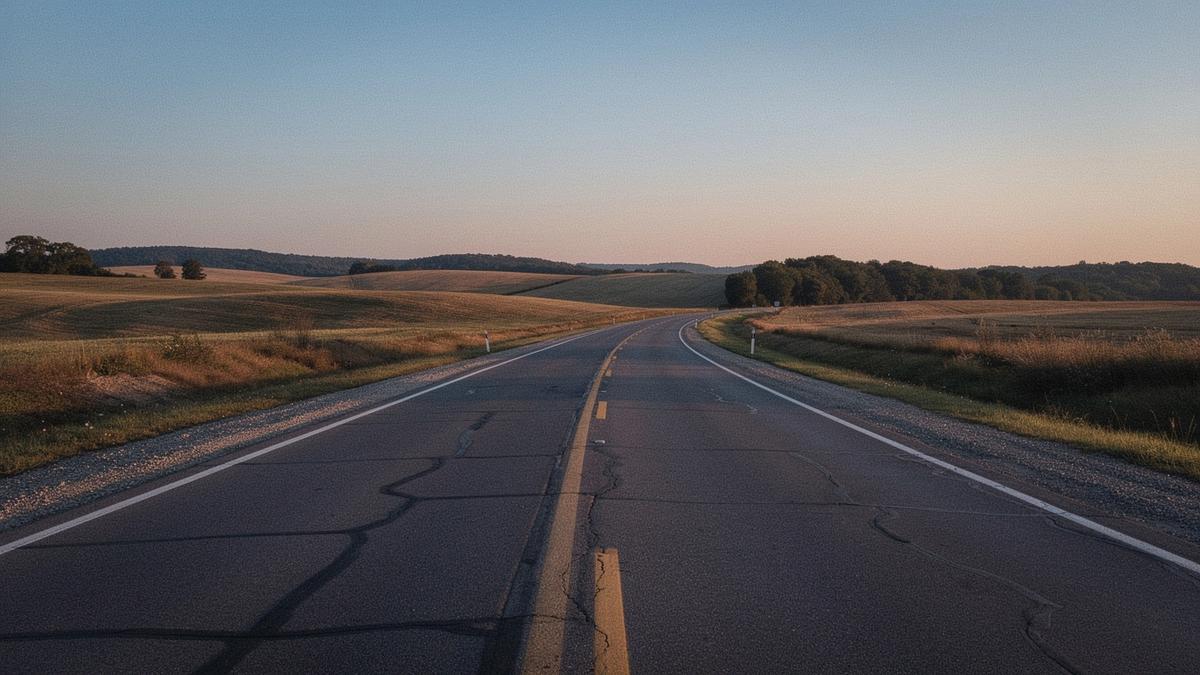
An empty intercity highway curving through open countryside at dusk
Corridor, checkpoint notes and rest stops are agreed before you ride.

04 / Corridors

Example corridors and how each one is planned

These are corridors we schedule regularly. Every route code matches a written planning document that covers the planned corridor, rest stops, meeting-point notes and checkpoint considerations where relevant. Times below are estimates and may vary with traffic, weather and queue conditions.

Every corridor is documented before travel. Read how the document is structured in the route brief anatomy, or send your own corridor for a planning check via the quote form.

04 / Route brief

What a route brief actually holds

Every quote is built from a short planning document, written before you ride so the driver and the passenger work from the same expectations.

A brief is a plan, not a promise. Timings are estimates and may shift with traffic, weather, or border procedures.

  1. Planned corridor

    The roads and junctions the driver intends to use, plus the backup line when a section closes.

  2. Rest stops

    Where the vehicle stops, roughly how long, and whether the stop is fixed or at your request.

  3. Meeting-point notes

    Pickup address, entrance or terminal side, and the driver contact you will use on the day.

  4. Checkpoint considerations

    Where relevant, the documentation checks expected on the corridor and the time they usually add.

  5. Arrival buffer

    A window placed before a flight or train departure, so a slow section does not become a missed connection.

05 / QUOTE

Send the route, get it in writing

Tell us the corridor, the date and how many people travel. You get back a route brief, a vehicle class and a price band that holds subject to availability.

Route brief
Planned corridor, rest stops, meeting point
Vehicle class
Comfort, Business or Van / Group
Reply window
Same business day

Tolls, parking, waiting time, extra stops and night surcharges are quoted separately. Times in the brief are estimates and may vary.